
Vertel uw vrienden over dit artikel:
The Role of Sphingomyelinase in Camp-factor Muhammad Khan
Besteld in een afgelegen magazijn
 Kerstcadeautjes kunnen tot en met 31 januari worden ingewisseld

Onze klanten zeggen:


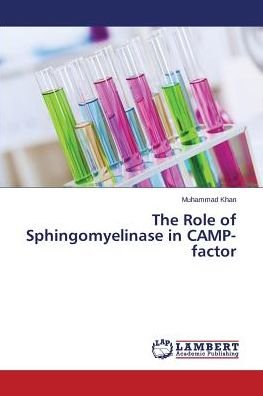
The Role of Sphingomyelinase in Camp-factor
Muhammad Khan
CAMP factor is a 25kDa extracellular protein originating from Streptococcus agalactiae (Group B streptococci) that constitutes of 226 amino acid residues. The main characteristic of CAMP factor is that it is a pore-forming toxin (PFT). The typical mechanism of pore formation of PFTs comprises of three main stages, namely binding of toxin monomers to the membrane surface, oligomerization of the monomers on the cell membrane, and lastly the insertion of oligomers into the membrane. This book focuses on second stage, and investigates the oligomerisation of CAMP factor on sheep red blood cell membranes. The hemolytic activity of CAMP factor is known to be considerably enhanced by the interaction with sphingomyelinase from Staphylococcus aureus. In this study, focus has been laid on understanding the role of sphingomyelinase in the oligomerisation step. Förster resonance energy transfer (FRET) studies have been used to obtain experimental data. The target audience include students and academicians in the field of Chemistry.
| Media | Boeken Paperback Book (Boek met zachte kaft en gelijmde rug) |
| Vrijgegeven | 29 december 2014 |
| ISBN13 | 9783659664601 |
| Uitgevers | LAP LAMBERT Academic Publishing |
| Pagina's | 92 |
| Afmetingen | 5 × 150 × 220 mm · 155 g |
| Taal en grammatica | Duits |
Meer door Muhammad Khan
Alles tonen







Bekijk alles van Muhammad Khan ( bijv. Paperback Book , Hardcover Book en Book pack )