

Vertel uw vrienden over dit artikel:
How to Read an Electrocardiogram - Part 3 Richard M Fleming
Besteld in een afgelegen magazijn
 Kerstcadeautjes kunnen tot en met 31 januari worden ingewisseld

Onze klanten zeggen:


How to Read an Electrocardiogram - Part 3
Richard M Fleming
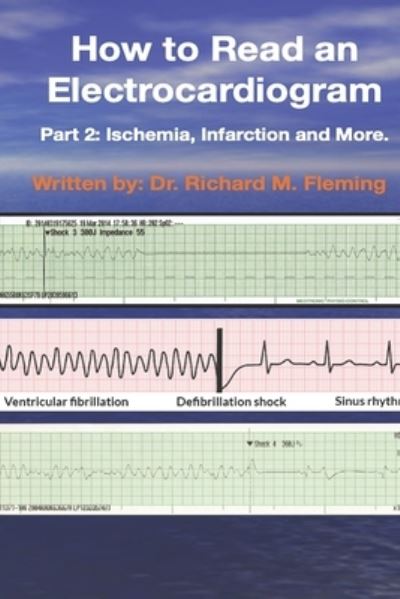
In Part 3 of How to Read an Electrocardiogram, we will look at a series of three lectures given by myself to my medical students, residents and fellows; on the Basics of ECG rhythms and axis orientation, Basic Rhythm interpretation and problems, and finally Dysrhythmias. If you learn nothing else, please learn we are not talking about arrhythmias. "A" means the absence of something so the only "arrhythmia" is "asystole" or the absence of a rhythm. Everything else is a "dys" or "abnormal" rhythm; aka "dysrhythmia."The importance of learning how to read rhythm disturbances if far more than just being able to answer questions correctly on a test, or even being able to demonstrate to others that you can read electrocardiograms. Electrocardiograms are obtained to look for specific problems with the heart, and with that knowledge to know what treatments to prescribe to address each patient's specific cardiac problem. This includes which drugs or treatments to provide to control the patient's heart rate and when combined with proper control and treatment of their blood pressure, improvement in their stroke volume, and their overall cardiac output.
| Media | Boeken Paperback Book (Boek met zachte kaft en gelijmde rug) |
| Vrijgegeven | 22 november 2020 |
| ISBN13 | 9798569580408 |
| Uitgevers | Independently Published |
| Pagina's | 50 |
| Afmetingen | 152 × 229 × 3 mm · 104 g |
| Taal en grammatica | Engels |
Meer door Richard M Fleming
Alles tonen





Meer uit deze serie
Bekijk alles van Richard M Fleming ( bijv. Paperback Book en Hardcover Book )